

A reflection on Mark 10:46-52 – Blind Bartimaeus
Message of the Rector Major Fr. Fabio Attard, SDB
The account of the healing of Bartimaeus — the man blind from birth — isn’t merely the chronicle of a miracle, but a veritable parable in action regarding the condition of the disciple. This encounter between Jesus and Bartimaeus is the final episode before Jesus’ messianic entry into Jerusalem, serving as the hinge between his ministry and his passion and resurrection.
Bartimaeus — the blind man who, once healed, sees and follows — stands in luminous contrast to the disciples, who, despite having physical sight, have not yet understood. It’s against this backdrop of contrasts that I’d like to offer three brief reflections.
1. Jesus takes the initiative
Even before the blind man cries out, Jesus is already “leaving” Jericho (v. 46). The poor blind man’s cry changes everything: Jesus readies himself and draws near him — “then Jesus stopped and said, ‘Call him!’” (v. 49). Divine initiative directs its own movement to make itself present to those who cry out from the side of the road.
This is a constant feature of God’s pedagogy: when we “cry out,” we realize that he’s already found us. This is the first gift — perhaps the greatest one we can receive. Within our journey of faith, the “blindness” we carry in its various forms isn’t a condemnation; rather, it’s like a wound that can be healed. When we bring it to Jesus, his action not only heals the afflicted person but also transforms the way those who are near him see. Whether we ourselves are “blind” or are close to those who are, it’s always Jesus’ presence that makes a difference. He reveals to everyone his or her own “blindness” and the indifference that often lies hidden. Jesus changes each of us: He restores sight, awakens empathy, and invites us to acknowledge that, in some way, we all need “light”!
2. The humility to recognize our own blindness and our willingness to be healed
This first step comes when we’re honest with ourselves. Bartimaeus can’t see, yet he has a voice. Even when he’s told to be quiet, he cries out all the louder; his persistence isn’t arrogance, but the form that humility takes when it’s authentic. For humility doesn’t fall silent in the face of others’ indifference; it recognizes its own need and isn’t ashamed to name it: “Son of David, have mercy on me!” (v. 48).
Two truths exist in this cry: the first is a confession of faith in the person of Christ, voiced by someone who doesn’t see with physical eyes yet clearly “sees” the One before him. The second is the unashamed acknowledgment of his own wretchedness, for he knows he stands in the presence of the Son of God.
Upon being called, Bartimaeus casts aside his cloak — the only possession he had. Nothing must hold him back at the moment he’s called. This is a powerful image for us today: true healing, which leads to authentic light, requires letting go of the things we cling to for security—or perhaps even out of fear.
Thus, the question Jesus asks Bartimaeus is the same question he asks each of us today: “What do you want me to do for you?” (v. 51)
Bartimaeus asks for the one thing that’s lacking: he asks to “see.” True humility is the ability to give a precise name to one’s own poverty before God, without substituting it with desires for power or superficial gratification.
3. The hardheadedness to remain blind before a wider vision
A thought regarding the crowd that initially wanted to silence poor Bartimaeus: one is led to ask, who was truly “blind” — and perhaps even “deaf”? The crowd, in its indifference, represents a form of “blindness” distinct from Bartimaeus’s physical affliction: it’s the blindness of those who see perfectly well but don’t wish to be disturbed in their narrow view of things. It’s the same blindness that persists today when we’re faced with the poverty we don’t want to “name,” let alone encounter.
This is perhaps the most urgent lesson for us today: there are forms of blindness that can be healed, like that of Bartimaeus. Yet there are other forms that stubbornly resist the light because God’s light is always fuller, freer, and more unsettling than our categories are disposed to accept.
The healing God offers is infinite and free; it doesn’t operate according to the logic of merit, social status, or who has the right to be heard. Precisely for this reason, the temptation to silence those who cry out from the margins — the poor, the young person in crisis, those who challenge our established practices with uncomfortable questions — is always lurking, even within our own communities.
Recognizing this hardheadedness in ourselves isn’t a cause for discouragement, but the beginning of a new and liberating journey. May Bartimaeus’s boldness be a gift to us; may his cry find a home in our hearts — not just once, but as the enduring cry of those who know their vision always needs to be brought back into focus by grace. Only then, like Bartimaeus, will we truly be able to “follow Jesus along the road” (v. 52): true and authentic disciples — no longer merely healed spectators, but followers who’ve learned to see what truly matters.
Latest Posts

Stony Point: National Shrine Holds 9/11 Memorial
Over 250 people joined together for the service. Read more
Reflections on 9/11
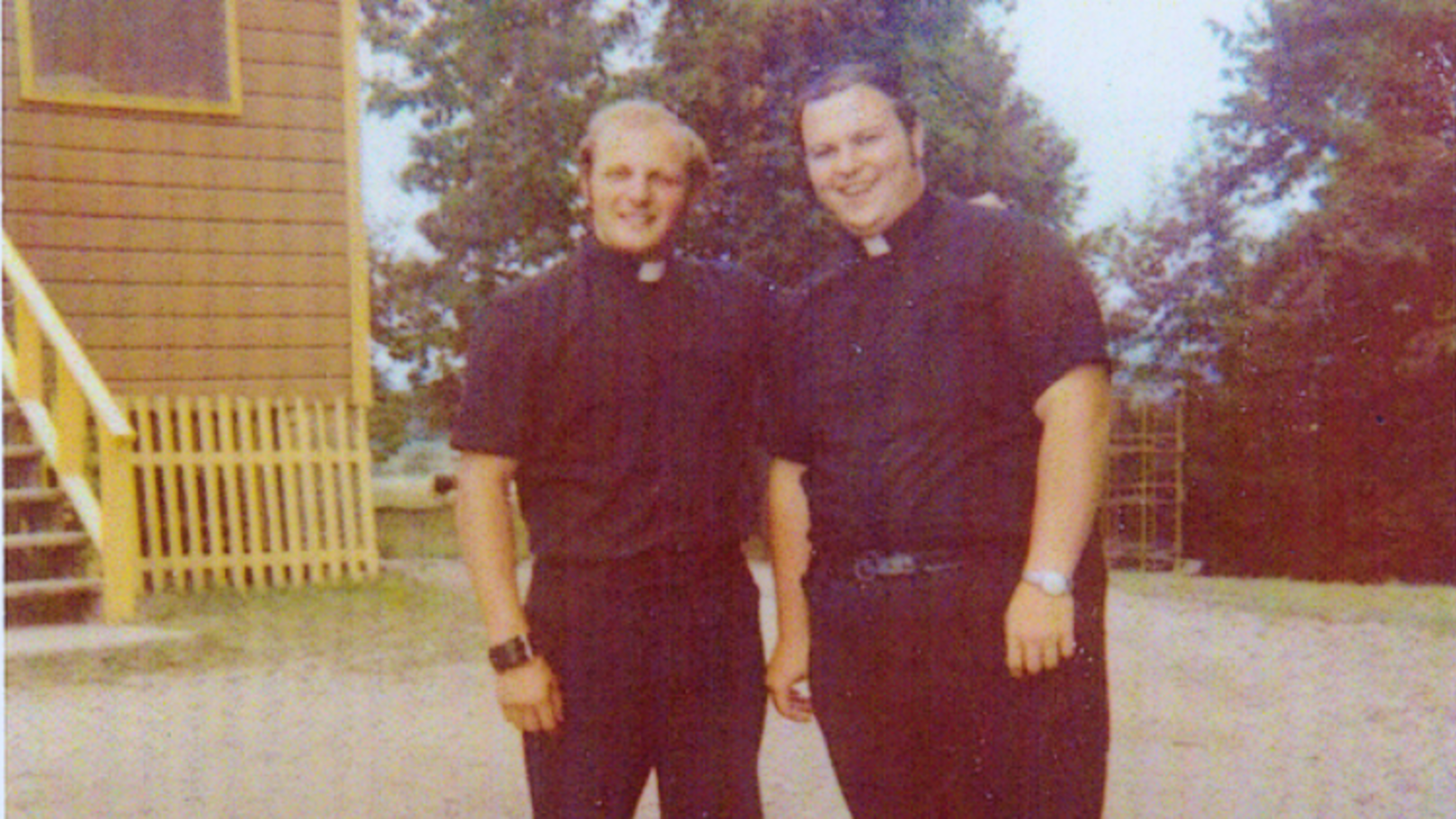
Fr. John Nazzaro shares his experience assisting in the aftermath of 9/11. Read more

Seven Cooperators Inducted at Archbishop Shaw High School
The induction occurred during a school Mass at Archbishop Shaw High School. Read more

- 1 of 809
- ›
Categories
Archive
- September 2026 (11)
- August 2026 (16)
- July 2026 (14)
- June 2026 (11)
- May 2026 (25)
- April 2026 (19)
- March 2026 (26)
- February 2026 (17)
- January 2026 (24)
- December 2025 (23)
- November 2025 (12)
- October 2025 (28)
- September 2025 (18)
- August 2025 (21)
- July 2025 (14)
- June 2025 (19)
- May 2025 (19)
- April 2025 (29)
- March 2025 (25)
- February 2025 (22)
- January 2025 (21)
- December 2024 (23)
- November 2024 (19)
- October 2024 (30)
- September 2024 (19)
- August 2024 (23)
- July 2024 (19)
- June 2024 (16)
- May 2024 (26)
- April 2024 (27)